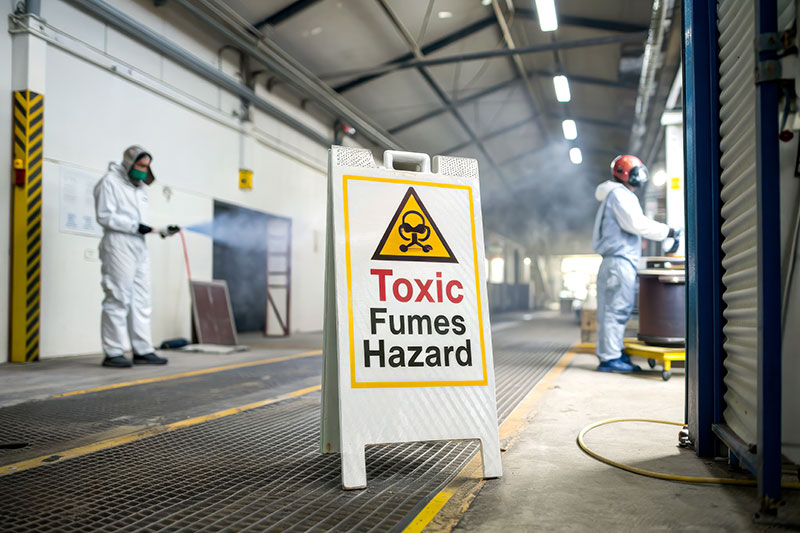
5 Custom Signage Ideas to Make Your Melbourne Cafe or Restaurant Stand Out

Melbourne’s hospitality scene is legendary. It’s a vibrant, bustling ecosystem of world-class coffee, innovative cuisine, and laneway magic. But with this incredible vibrancy comes fierce competition. On any given street, you’re not just competing with the cafe next door, but with dozens of others vying for the attention of discerning foodies and caffeine seekers. So, how do you cut through the noise? How do you turn a curious passerby into a loyal customer?

While your menu, service, and ambiance are the heart of your business, your signage is the handshake. It’s the very first impression you make. In a city that values aesthetics and individuality, a generic, off-the-shelf sign simply won’t do. You need something that tells your story, captures your brand’s personality, and makes people stop, look, and step inside.

Investing in high-quality, creative custom signs in Melbourne isn’t just an expense; it’s one of the most powerful marketing tools you have. It’s your 24/7 salesperson on the street. This guide will explore five innovative signage ideas that go beyond the boring and basic, helping your cafe or restaurant become a landmark, not just another lunch spot.

1. The Experiential Neon: More Than Just an “Open” Sign

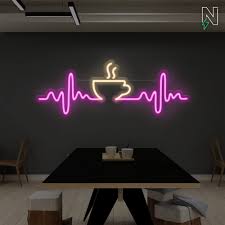
Neon is back, but not in the way you remember. Forget the flickering, generic “Open” signs of old. Today’s neon (and its more versatile, energy-efficient cousin, LED neon) is all about creating an experience. It’s about crafting that perfect “Instagrammable moment” that your customers will be excited to share.

Think about it: when a customer takes a photo in your venue and posts it online, they’re giving you a personal endorsement to their entire network—for free. A stunning piece of neon art can be the perfect catalyst for this user-generated marketing.

How to make it work:

  • Create a Signature Phrase: Move beyond your business name. Think of a witty, inspiring, or quirky phrase that encapsulates your brand’s vibe. For a coffee shop, it could be “But first, coffee” or “Melbourne’s Daily Grind.” For a restaurant, it might be “Good Food, Good Mood” or a line that hints at your cuisine type.
  • Illustrative Neon: Commission a neon sign that’s a stylised illustration of your logo, a signature menu item (like a croissant or a cocktail glass), or an abstract shape that complements your interior design.
  • Strategic Placement: Don’t just hang it in the window. Place your neon feature against a “selfie-friendly” backdrop, like a feature wall with interesting wallpaper, a vertical garden, or exposed brick. This encourages photos and ensures your venue looks its best.

This type of restaurant signage in Melbourne does more than just identify your business; it becomes a part of the customer experience and a powerful, self-perpetuating marketing engine.

2. The Artisanal A-Frame: Your Handcrafted Handshake

The humble A-frame, or sandwich board, is a staple of street-side advertising. It’s the perfect tool to grab the attention of pedestrians and communicate your daily specials. But most businesses stop at a basic blackboard and some chalk. In Melbourne’s creative culture, you can do so much more.

Treat your A-frame as a piece of artisanal craftsmanship that reflects the quality of what you offer inside. It’s your chance to show personality before a customer even reaches the door.

How to make it work:

  • Custom Shapes: Why stick to a rectangle? Commission an A-frame in the shape of a coffee cup, a wine bottle, a slice of pizza, or your company logo. This immediately sets you apart and creates a memorable visual hook.
  • Premium Materials: Move beyond basic pine. Consider a beautifully finished hardwood, laser-etched plywood with intricate details, or a sleek, powder-coated metal frame. These materials signal quality and durability.
  • Elevated Lettering: Instead of chalk, use interchangeable, professionally printed panels for a cleaner look. Or, invest in raised 3D lettering for a tactile, high-end finish. This type of outdoor signage needs to be robust, but that doesn’t mean it can’t be beautiful.

Your A-frame is a conversation starter. Make it witty, make it beautiful, and make it a true reflection of your brand.

3. Immersive Wall & Window Graphics: Your Space is the Canvas

Your physical space—your windows, your walls—is prime advertising real estate. Why leave it blank? High-quality, custom vinyl graphics can transform your entire venue, creating an immersive atmosphere that draws customers in from the street and delights them once they’re inside.

This is a key principle of effective retail signage that translates perfectly to the hospitality industry. It’s about using every available surface to build your brand and tell your story.

How to make it work:

  • Artistic Window Displays: Use frosted or full-colour vinyl on your windows to create beautiful patterns, display your menu in an elegant script, or create a semi-transparent mural that adds intrigue without completely blocking the view. This is far more compelling than taping paper menus to the glass.
  • Branded Murals: Dedicate an interior wall to a large-scale graphic. This could be a map illustrating the origin of your coffee beans, a historical photo of your neighbourhood, or an abstract design that incorporates your brand colours and logo in a subtle, artistic way.
  • Cohesive Branding: Use smaller vinyl decals to extend your branding to other areas. Think custom patterns on your service counter, logos on your doors, or even branded floor graphics to guide customers.

These graphics are incredibly versatile and cost-effective, allowing you to completely change the look and feel of your space without the expense of a full renovation.


4. Dimensional Lettering: Add Depth and Sophistication

Flat, printed signs can look, well, flat. Dimensional signage, where letters and logos are cut from thick materials and mounted to the wall, literally stands out. This 3D effect adds depth, shadow, and a sense of permanence and quality that is hard to replicate. It tells your customers that you are established, professional, and invested in every detail.

This is one of the most popular and effective forms of custom signs in Melbourne for businesses looking to project a premium image.

How to make it work:

  • Material Matters: The material you choose can define your aesthetic.
    • Brushed Metal: Creates a sleek, modern, and industrial look.
    • Polished Acrylic: Offers a clean, vibrant, and contemporary feel.
    • Rustic Wood: Perfect for a warm, organic, and artisanal vibe.
    • Painted PVC: A versatile and cost-effective option that can be matched to any brand colour.
  • The Halo Effect: Elevate your dimensional sign with backlighting. Placing LED strips behind the letters creates a soft “halo” of light around your sign. This is especially effective for outdoor signage in the evening, creating a sophisticated and inviting glow that is both eye-catching and elegant.

Whether it’s your main sign above the door or a feature logo behind the counter, dimensional lettering makes a bold statement of quality.

5. The Clever & Cohesive Wayfinding System

Great signage isn’t just about the big sign out front. It’s about considering the entire customer journey, from the moment they step inside to the moment they leave. A cohesive wayfinding system—the collection of smaller signs that guide customers through your space—shows an incredible attention to detail that customers notice and appreciate.

Effective restaurant signage in Melbourne thinks about these small but crucial touchpoints. When done well, it makes the customer experience seamless and reinforces your brand identity at every turn.

How to make it work:

  • On-Brand Bathroom Signs: Ditch the generic plastic signs. Create custom bathroom signs that match your brand’s font, materials, and personality.
  • Clear & Creative Direction: Design unique signs for “Order Here,” “Pick Up Here,” and “Please Wait to be Seated.”
  • Branded Table Numbers: Instead of standard plastic numbers, use laser-etched wooden blocks, small metal stands, or printed cards that feature your logo.
  • Consistency is Key: Ensure that the materials, colours, and typography are consistent across all your signs, from the large outdoor sign to the smallest table number. This creates a polished, professional, and memorable brand experience.

This holistic approach to signage demonstrates that you care about every aspect of your customer’s visit, building trust and encouraging repeat business.

Ready to Stand Out?

In the competitive Melbourne market, blending in is not an option. Your signage is your opportunity to make a powerful first impression, tell your brand’s story, and draw in the customers who are looking for a unique experience. By investing in creative, high-quality custom signs, you’re not just decorating your space—you’re making a strategic investment in your business’s growth.

Ready to attract more customers? Get a free, custom quote for your Melbourne business today!
The Small Business Owner’s Guide to Workplace Safety Signs in Australia

As a small business owner, you wear many hats: CEO, financial controller, HR manager, and often, the head of workplace safety. Juggling these roles is demanding, and navigating the complexities of Australia’s Work Health and Safety (WHS) regulations can feel like a full-time job in itself. You know that keeping your team safe is priority number one, but understanding your specific obligations—especially when it comes to safety signage—can be a daunting task.

A simple oversight, a missing sign, or an outdated warning can lead to devastating consequences, ranging from serious injury to hefty fines and legal action that could jeopardise the business you’ve worked so hard to build. But what if you could cut through the confusion? What if there was a straightforward way to understand the essential safety signs your workplace needs to be not just compliant, but truly safe?

This guide is designed to do just that. We’ll break down the Australian standards for safety signage into simple, actionable steps. We’ll explore the different types of signs, what they mean, and where to use them—from the front office to the warehouse floor and the construction site. Consider this your roadmap to creating a safer, more secure, and fully compliant work environment for everyone.

Why Workplace Safety Signs Are a Non-Negotiable Investment

Before we dive into the specifics of colours and shapes, it’s crucial to understand why effective signage is one of the most critical investments you can make. It goes far beyond simply ticking a box on a compliance checklist.

First and foremost, it’s your legal and moral duty of care. Under Australia’s WHS Act, all employers have a legal responsibility to provide a safe working environment. This includes identifying hazards and implementing control measures to eliminate or minimise risks. Safety signs are a fundamental control measure, acting as constant, clear communicators of risk and instruction. Failure to comply can result in significant penalties, including fines that can reach into the hundreds of thousands of dollars for businesses and even jail time for individuals in the most severe cases.

Second, signs prevent accidents. A well-placed “Slippery When Wet” sign can avert a serious fall. A “Hard Hats Must Be Worn” sign on a construction site can prevent a life-altering head injury. These simple visual cues are your first line of defence, working 24/7 to protect your employees, clients, and visitors from potential harm.

Finally, a comprehensive safety signage strategy builds a positive safety culture. When employees see that you are invested in their well-being, it fosters a sense of security and shared responsibility. It shows that safety isn’t an afterthought; it’s a core value of your business. This boosts morale, reduces absenteeism, and ultimately improves productivity.

Decoding the Language: Understanding Australian Standard AS 1319-1994

In Australia, the design and use of safety signs are guided by a specific standard: AS 1319-1994. This standard creates a universal, easily understood “language” of safety using specific shapes, colours, and symbols. Understanding this language is the key to selecting the right signs for your workplace.

Let’s break down the main categories:

1. Prohibition Signs (The “Do Not” Signs)

These signs indicate that an action or activity is forbidden. They are your go-to for preventing behaviour that could lead to immediate danger.

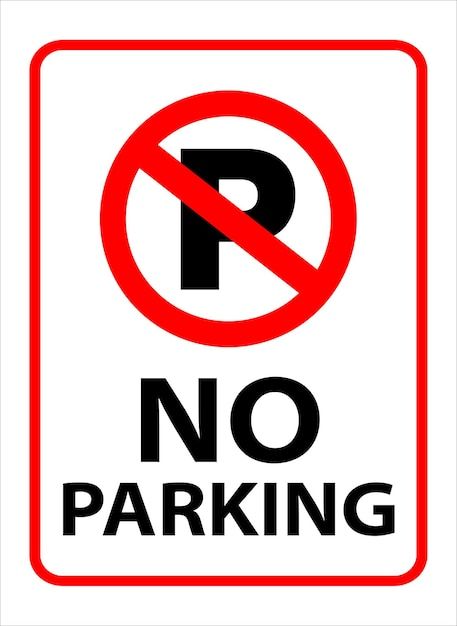
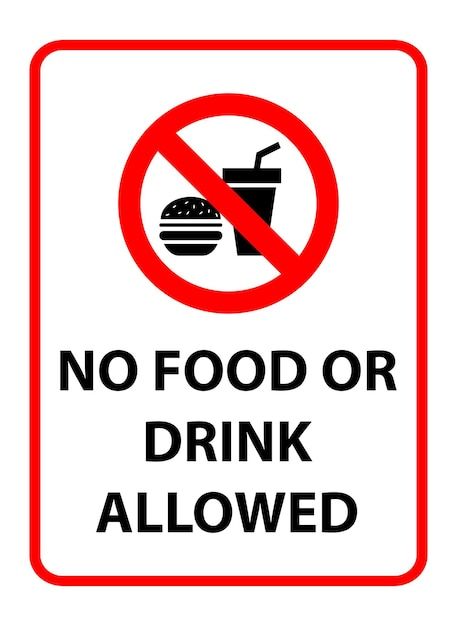
  • Appearance: A red circle with a black symbol or pictogram, crossed through by a red diagonal line.
  • Examples: “No Smoking,” “No Entry for Unauthorised Personnel,” “Do Not Operate.”

2. Mandatory Signs (The “Must Do” Signs)

Mandatory signs instruct that a specific action must be taken to ensure safety, usually related to wearing Personal Protective Equipment (PPE).

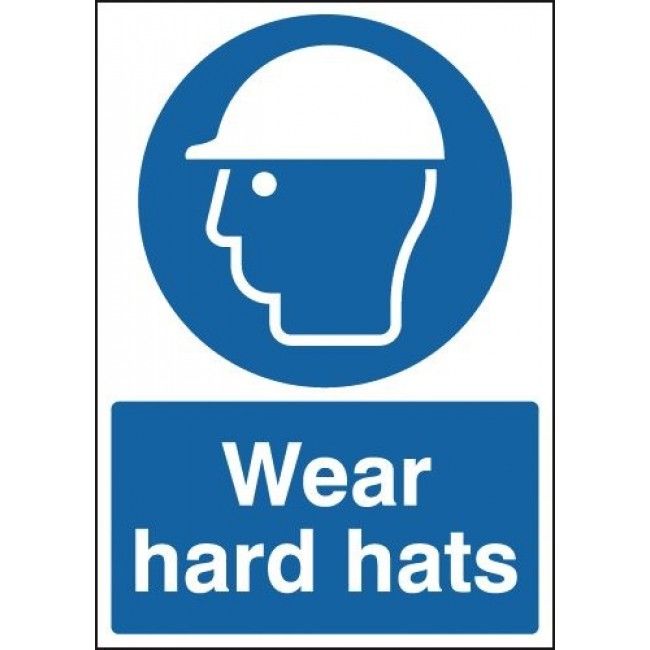
  • Appearance: A solid blue circle with a white symbol or pictogram.
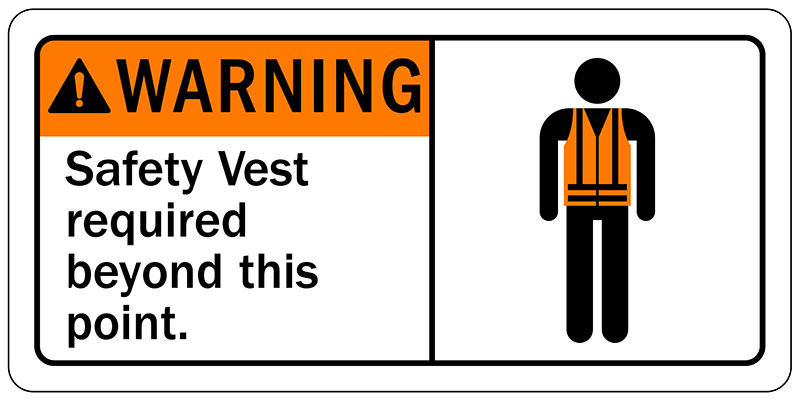
  • Examples: “Hard Hats Must Be Worn in this Area,” “Safety Glasses Required,” “High-Vis Vests Must Be Worn.”

3. Warning Signs (The “Be Aware Of” Signs)

Also known as hazard signs, these are used to warn of a potential, non-life-threatening hazard. They signal a need for caution.

  • Appearance: A yellow triangle with a black border and a black symbol or pictogram.
  • Examples: “Slippery When Wet,” “Forklift Operating Area,” “Risk of Electric Shock.”

4. Danger Signs (The “Immediate Threat” Signs)

These are the most critical signs and should only be used to warn of a life-threatening hazard. They signify that death or serious injury is a high probability if the warning is ignored.

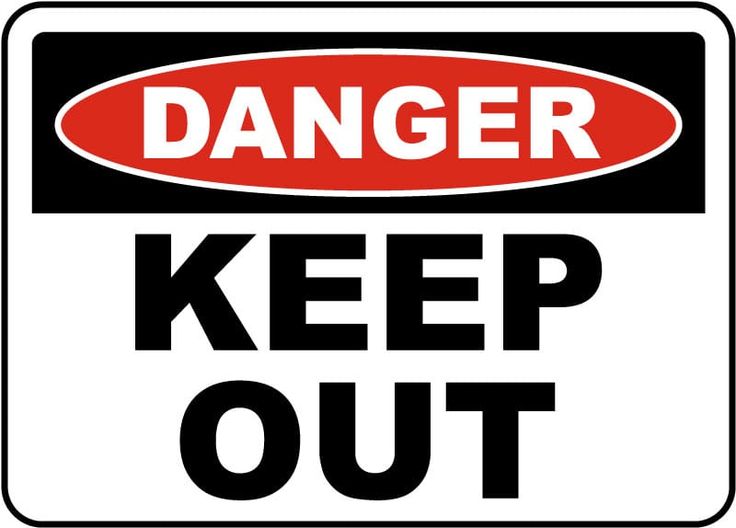
  • Appearance: The word “DANGER” in white letters inside a red oval, which is enclosed within a black rectangle.
  • Examples: “High Voltage,” “Asbestos Removal in Progress,” “Confined Space – Entry by Permit Only.”

5. Emergency Information Signs (The “Safety First” Signs)

These signs point the way to emergency facilities and equipment. In a crisis, they are vital for quick and safe action.

  • Appearance: A solid green square or rectangle with a white symbol or text.
  • Examples: “First Aid Station,” “Emergency Eye Wash,” “Safety Shower,” “Emergency Exit.”

6. Fire Safety Signs (The “In Case of Fire” Signs)

Specifically used to indicate the location of fire alarms and firefighting equipment.

  • Appearance: A solid red square or rectangle with white text or symbols.
  • Examples: “Fire Extinguisher,” “Fire Hose Reel,” “Fire Blanket.”

Tailoring Signage for Your Specific Workplace

While the standards are universal, the application of signage must be tailored to your unique environment. An office has very different needs from a warehouse or a construction site.

For the Warehouse and Industrial Sector

Warehouses are dynamic environments with significant risks. Effective warehouse safety signs are crucial for managing vehicle and pedestrian traffic, handling materials, and preventing accidents.

  • Traffic Management: Clearly mark pedestrian walkways, forklift-only zones, and speed limits. Use mirrors and warning signs at blind corners.
  • Loading Docks: Install signs warning of fall risks and indicating safe operating procedures for loading and unloading.
  • Racking and Storage: Display “Safe Working Load” (SWL) signs on all storage racking to prevent collapse. Use signs to identify areas for specific goods, especially hazardous materials.
  • Hazardous Materials: Any area where chemicals or other hazardous substances are stored requires specific “Hazchem” signage in compliance with Australian regulations.

For the Construction Site

Construction site safety signage is a fundamental component of site management. The risks are high and constantly changing as a project evolves.

  • Site Entry: All construction sites must have a main safety board at the entrance detailing the mandatory PPE required (hard hat, steel-capped boots, high-vis clothing), site rules, and emergency contact information.
  • Danger Zones: Use “Danger” signs to clearly mark off high-risk areas like excavations, demolition zones, areas with overhead work, and live electrical equipment.
  • Vehicle and Plant Movement: Implement a clear traffic management plan with signs for entry/exit points, vehicle routes, and warnings for heavy machinery in operation.
  • Scaffolding: All scaffolding must have a “Scafftag” system or similar sign indicating whether it is safe to use, under construction, or unsafe.

Beyond the Basics: Placement, Materials, and Maintenance

Choosing the right sign is only half the battle. How you install and maintain it is just as important.

  • Placement is Everything: Signs must be placed where they are impossible to miss. They should be well-lit, at eye level (where possible), and never obstructed by equipment, doors, or materials. A sign placed too high, too low, or around a corner is ineffective.
  • Choose Durable Materials: The Australian environment can be harsh. When sourcing signage in Australia, choose materials suited to your conditions. For outdoor or industrial use, consider metal or durable UV-stabilised polypropylene. For indoor office use, self-adhesive vinyl might be sufficient. The material must be able to withstand its environment without fading or degrading.
  • Conduct Regular Audits: Don’t just “set and forget.” Workplaces evolve. New hazards emerge, and old ones may be removed. Walk through your workplace at least quarterly to audit your signage. Are the signs still relevant? Are they clean and legible? Are any damaged or missing? This proactive approach is key to maintaining a truly safe environment.

Your Partner in Workplace Safety

Navigating the world of WHS and safety signage can be complex, but you don’t have to do it alone. Ensuring your workplace is fully compliant and your team is protected is a critical responsibility, and getting it right provides peace of mind for everyone. By understanding the core principles of safety signage and applying them thoughtfully, you transform your legal obligation into a powerful tool for protecting your people and your business.

Is your workplace as safe as it could be? Are you confident you meet all current Australian standards?

Need a compliance audit for your workplace? Contact us for a free, no-obligation consultation.