
 Cart is empty
As a small business owner, you wear many hats: CEO, financial controller, HR manager, and often, the head of workplace safety. Juggling these roles is demanding, and navigating the complexities of Australia’s Work Health and Safety (WHS) regulations can feel like a full-time job in itself. You know that keeping your team safe is priority number one, but understanding your specific obligations—especially when it comes to safety signage—can be a daunting task.
A simple oversight, a missing sign, or an outdated warning can lead to devastating consequences, ranging from serious injury to hefty fines and legal action that could jeopardise the business you’ve worked so hard to build. But what if you could cut through the confusion? What if there was a straightforward way to understand the essential safety signs your workplace needs to be not just compliant, but truly safe?
This guide is designed to do just that. We’ll break down the Australian standards for safety signage into simple, actionable steps. We’ll explore the different types of signs, what they mean, and where to use them—from the front office to the warehouse floor and the construction site. Consider this your roadmap to creating a safer, more secure, and fully compliant work environment for everyone.
Why Workplace Safety Signs Are a Non-Negotiable Investment
Before we dive into the specifics of colours and shapes, it’s crucial to understand why effective signage is one of the most critical investments you can make. It goes far beyond simply ticking a box on a compliance checklist.
First and foremost, it’s your legal and moral duty of care. Under Australia’s WHS Act, all employers have a legal responsibility to provide a safe working environment. This includes identifying hazards and implementing control measures to eliminate or minimise risks. Safety signs are a fundamental control measure, acting as constant, clear communicators of risk and instruction. Failure to comply can result in significant penalties, including fines that can reach into the hundreds of thousands of dollars for businesses and even jail time for individuals in the most severe cases.
Second, signs prevent accidents. A well-placed “Slippery When Wet” sign can avert a serious fall. A “Hard Hats Must Be Worn” sign on a construction site can prevent a life-altering head injury. These simple visual cues are your first line of defence, working 24/7 to protect your employees, clients, and visitors from potential harm.
Finally, a comprehensive safety signage strategy builds a positive safety culture. When employees see that you are invested in their well-being, it fosters a sense of security and shared responsibility. It shows that safety isn’t an afterthought; it’s a core value of your business. This boosts morale, reduces absenteeism, and ultimately improves productivity.
Decoding the Language: Understanding Australian Standard AS 1319-1994
In Australia, the design and use of safety signs are guided by a specific standard: AS 1319-1994. This standard creates a universal, easily understood “language” of safety using specific shapes, colours, and symbols. Understanding this language is the key to selecting the right signs for your workplace.
Let’s break down the main categories:
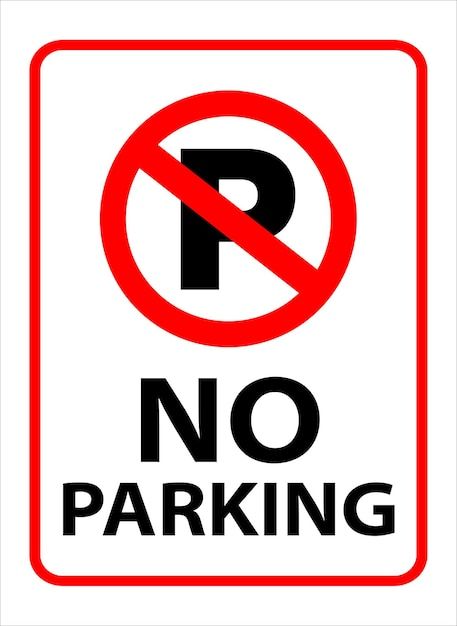
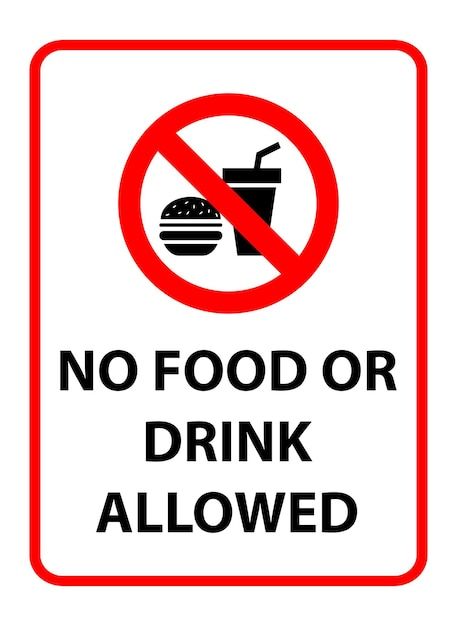
1. Prohibition Signs (The “Do Not” Signs)
These signs indicate that an action or activity is forbidden. They are your go-to for preventing behaviour that could lead to immediate danger.
- Appearance: A red circle with a black symbol or pictogram, crossed through by a red diagonal line.
- Examples: “No Smoking,” “No Entry for Unauthorised Personnel,” “Do Not Operate.”
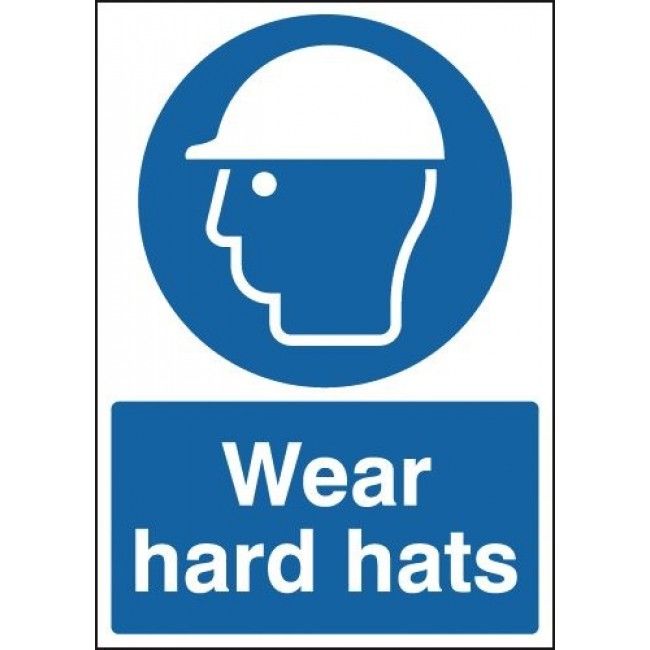
2. Mandatory Signs (The “Must Do” Signs)
Mandatory signs instruct that a specific action must be taken to ensure safety, usually related to wearing Personal Protective Equipment (PPE).
- Appearance: A solid blue circle with a white symbol or pictogram.
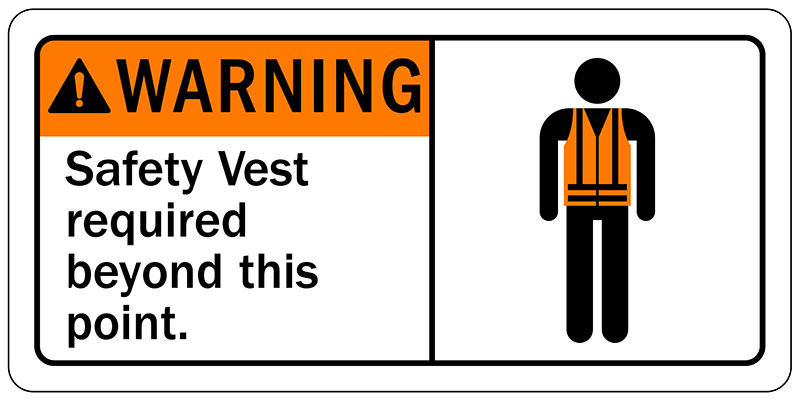
- Examples: “Hard Hats Must Be Worn in this Area,” “Safety Glasses Required,” “High-Vis Vests Must Be Worn.”

3. Warning Signs (The “Be Aware Of” Signs)
Also known as hazard signs, these are used to warn of a potential, non-life-threatening hazard. They signal a need for caution.
- Appearance: A yellow triangle with a black border and a black symbol or pictogram.
- Examples: “Slippery When Wet,” “Forklift Operating Area,” “Risk of Electric Shock.”
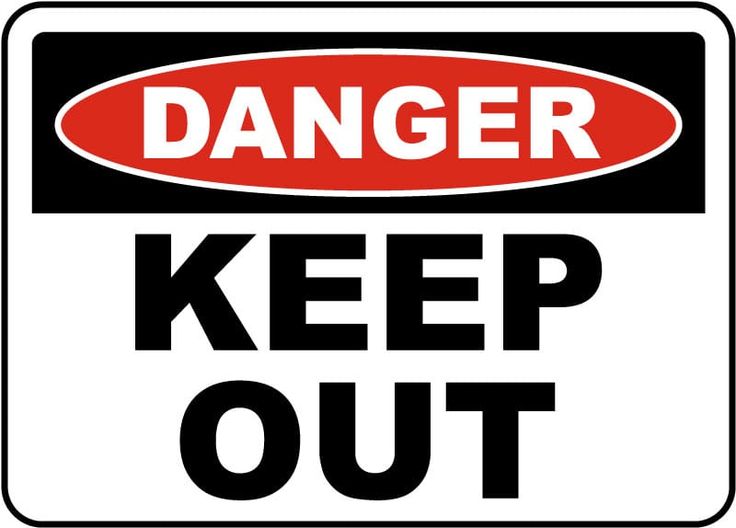
4. Danger Signs (The “Immediate Threat” Signs)
These are the most critical signs and should only be used to warn of a life-threatening hazard. They signify that death or serious injury is a high probability if the warning is ignored.
- Appearance: The word “DANGER” in white letters inside a red oval, which is enclosed within a black rectangle.
- Examples: “High Voltage,” “Asbestos Removal in Progress,” “Confined Space – Entry by Permit Only.”
5. Emergency Information Signs (The “Safety First” Signs)
These signs point the way to emergency facilities and equipment. In a crisis, they are vital for quick and safe action.
- Appearance: A solid green square or rectangle with a white symbol or text.
- Examples: “First Aid Station,” “Emergency Eye Wash,” “Safety Shower,” “Emergency Exit.”
6. Fire Safety Signs (The “In Case of Fire” Signs)
Specifically used to indicate the location of fire alarms and firefighting equipment.
- Appearance: A solid red square or rectangle with white text or symbols.
- Examples: “Fire Extinguisher,” “Fire Hose Reel,” “Fire Blanket.”
Tailoring Signage for Your Specific Workplace
While the standards are universal, the application of signage must be tailored to your unique environment. An office has very different needs from a warehouse or a construction site.
For the Warehouse and Industrial Sector
Warehouses are dynamic environments with significant risks. Effective warehouse safety signs are crucial for managing vehicle and pedestrian traffic, handling materials, and preventing accidents.
- Traffic Management: Clearly mark pedestrian walkways, forklift-only zones, and speed limits. Use mirrors and warning signs at blind corners.
- Loading Docks: Install signs warning of fall risks and indicating safe operating procedures for loading and unloading.
- Racking and Storage: Display “Safe Working Load” (SWL) signs on all storage racking to prevent collapse. Use signs to identify areas for specific goods, especially hazardous materials.
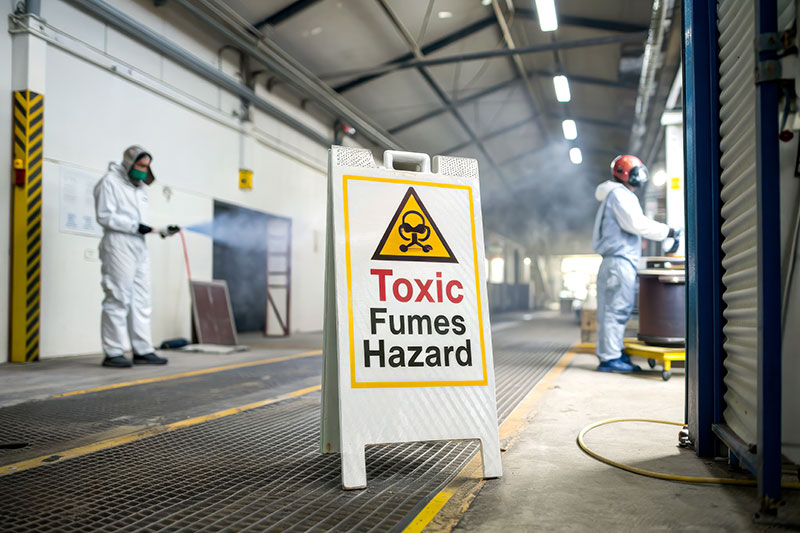
- Hazardous Materials: Any area where chemicals or other hazardous substances are stored requires specific “Hazchem” signage in compliance with Australian regulations.
For the Construction Site
Construction site safety signage is a fundamental component of site management. The risks are high and constantly changing as a project evolves.
- Site Entry: All construction sites must have a main safety board at the entrance detailing the mandatory PPE required (hard hat, steel-capped boots, high-vis clothing), site rules, and emergency contact information.
- Danger Zones: Use “Danger” signs to clearly mark off high-risk areas like excavations, demolition zones, areas with overhead work, and live electrical equipment.
- Vehicle and Plant Movement: Implement a clear traffic management plan with signs for entry/exit points, vehicle routes, and warnings for heavy machinery in operation.
- Scaffolding: All scaffolding must have a “Scafftag” system or similar sign indicating whether it is safe to use, under construction, or unsafe.


Beyond the Basics: Placement, Materials, and Maintenance
Choosing the right sign is only half the battle. How you install and maintain it is just as important.
- Placement is Everything: Signs must be placed where they are impossible to miss. They should be well-lit, at eye level (where possible), and never obstructed by equipment, doors, or materials. A sign placed too high, too low, or around a corner is ineffective.
- Choose Durable Materials: The Australian environment can be harsh. When sourcing signage in Australia, choose materials suited to your conditions. For outdoor or industrial use, consider metal or durable UV-stabilised polypropylene. For indoor office use, self-adhesive vinyl might be sufficient. The material must be able to withstand its environment without fading or degrading.
- Conduct Regular Audits: Don’t just “set and forget.” Workplaces evolve. New hazards emerge, and old ones may be removed. Walk through your workplace at least quarterly to audit your signage. Are the signs still relevant? Are they clean and legible? Are any damaged or missing? This proactive approach is key to maintaining a truly safe environment.
Your Partner in Workplace Safety
Navigating the world of WHS and safety signage can be complex, but you don’t have to do it alone. Ensuring your workplace is fully compliant and your team is protected is a critical responsibility, and getting it right provides peace of mind for everyone. By understanding the core principles of safety signage and applying them thoughtfully, you transform your legal obligation into a powerful tool for protecting your people and your business.
Is your workplace as safe as it could be? Are you confident you meet all current Australian standards?
Need a compliance audit for your workplace? Contact us for a free, no-obligation consultation.
